H&M’s Fashion Transformation Day / Stockholm Designing With Accountability:
Brand & Event Design for H&M's Fashion Transformation Day
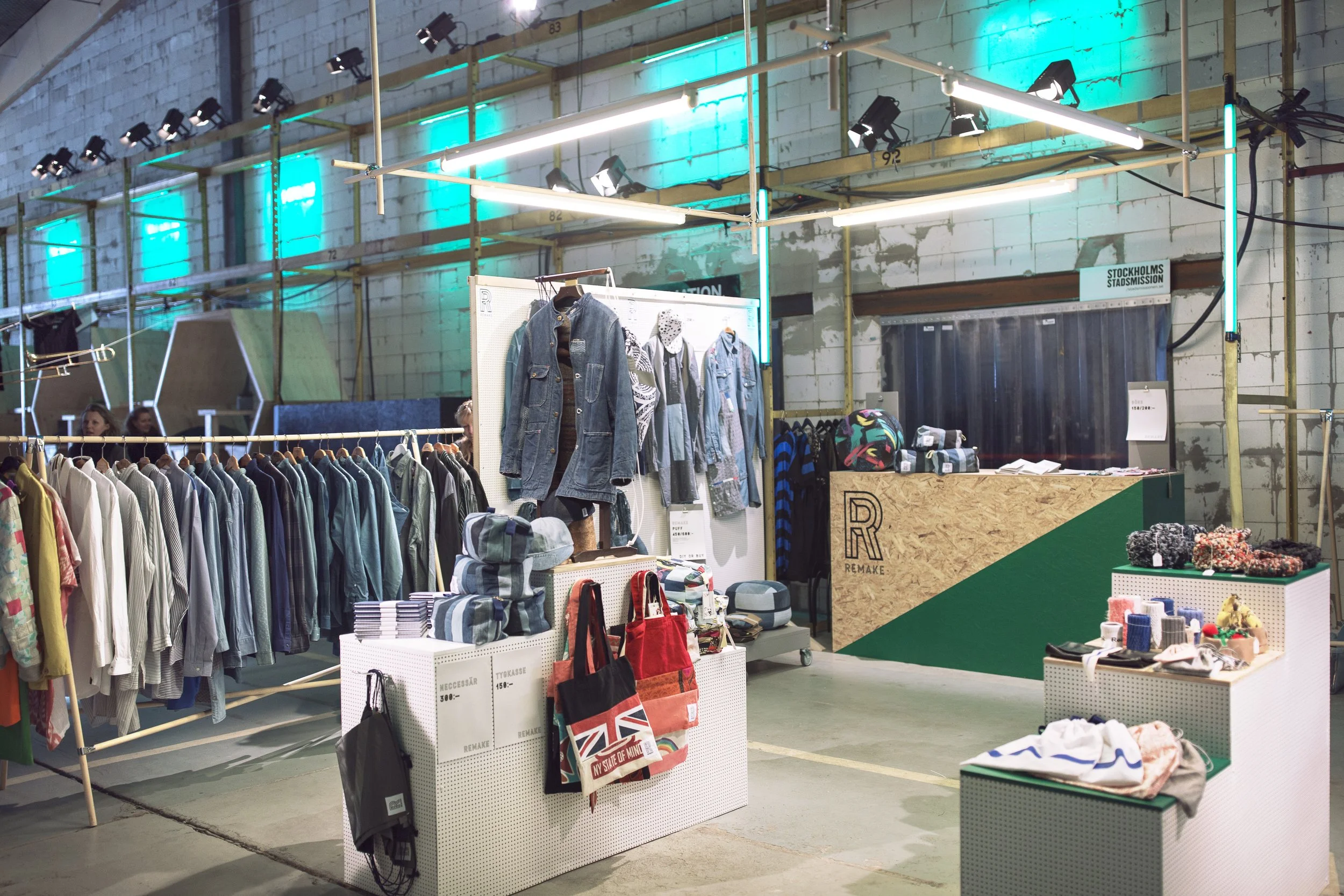
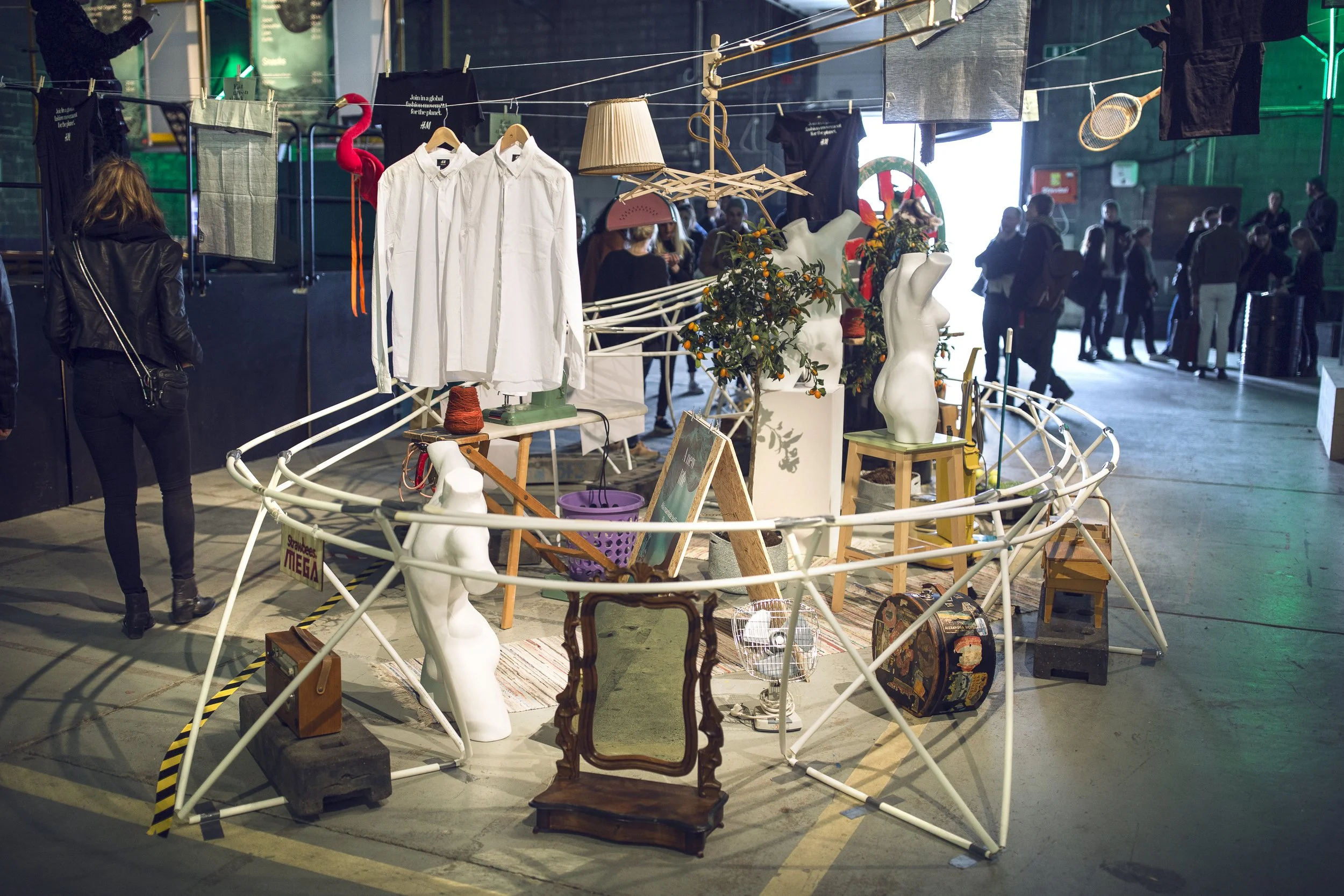
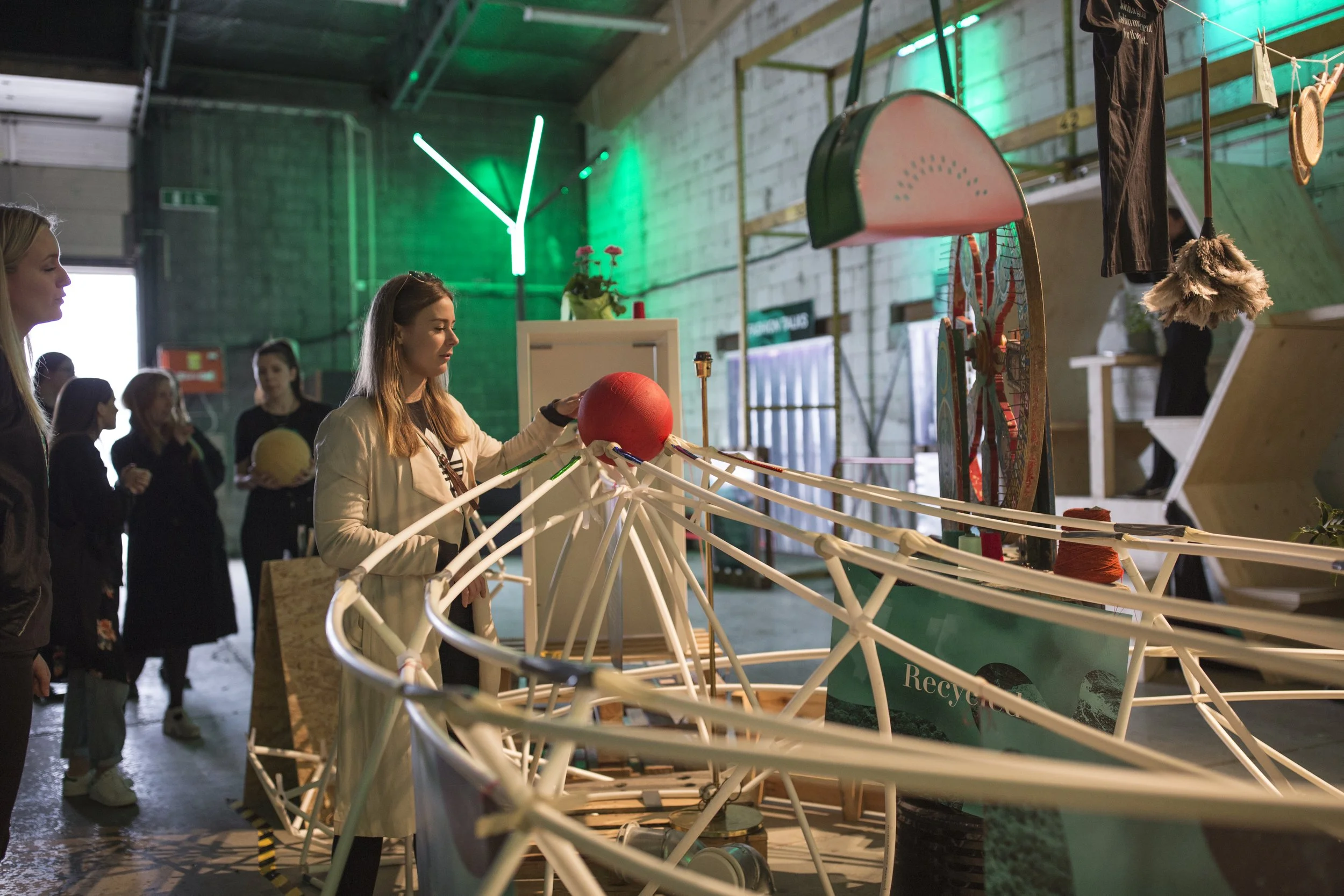
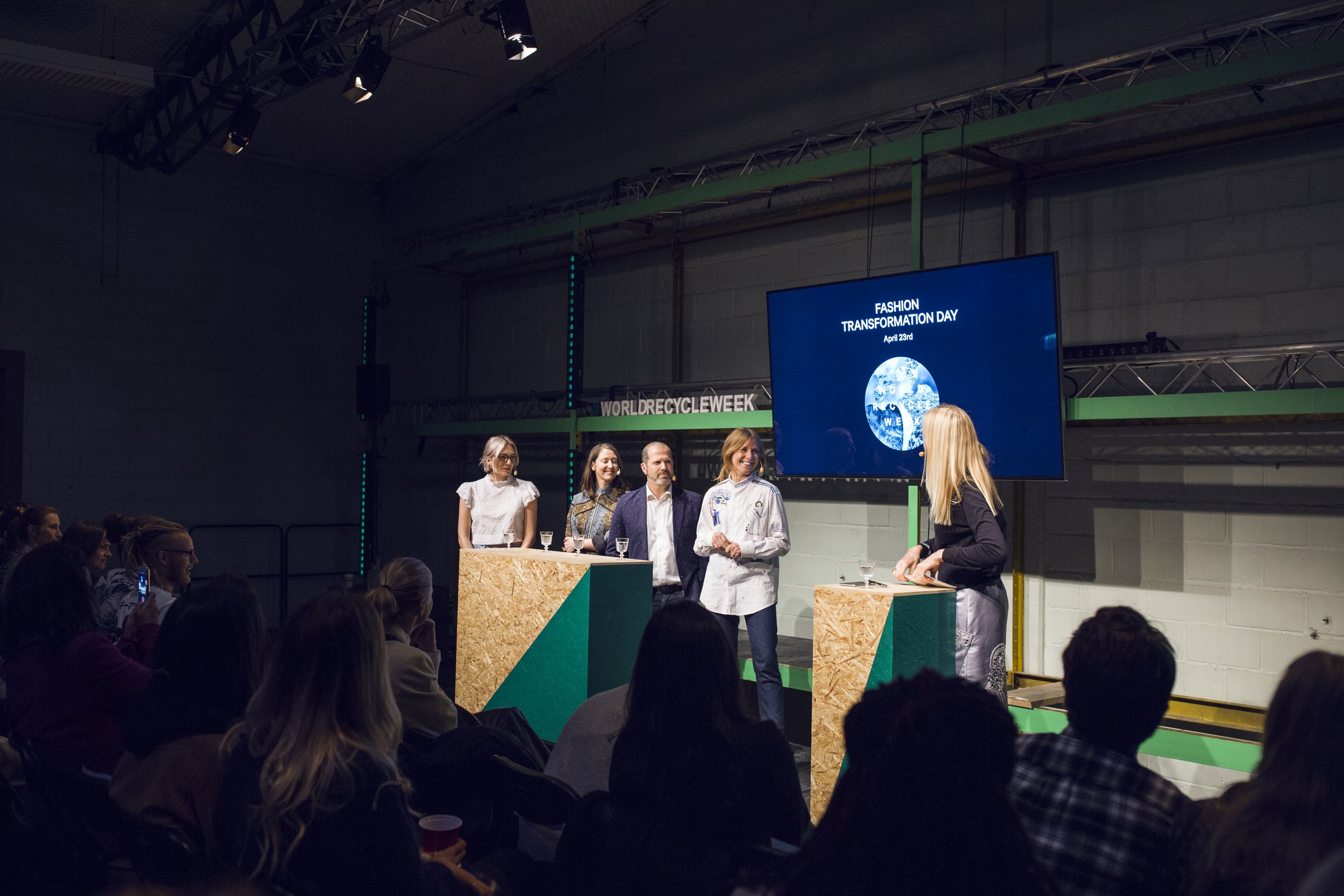
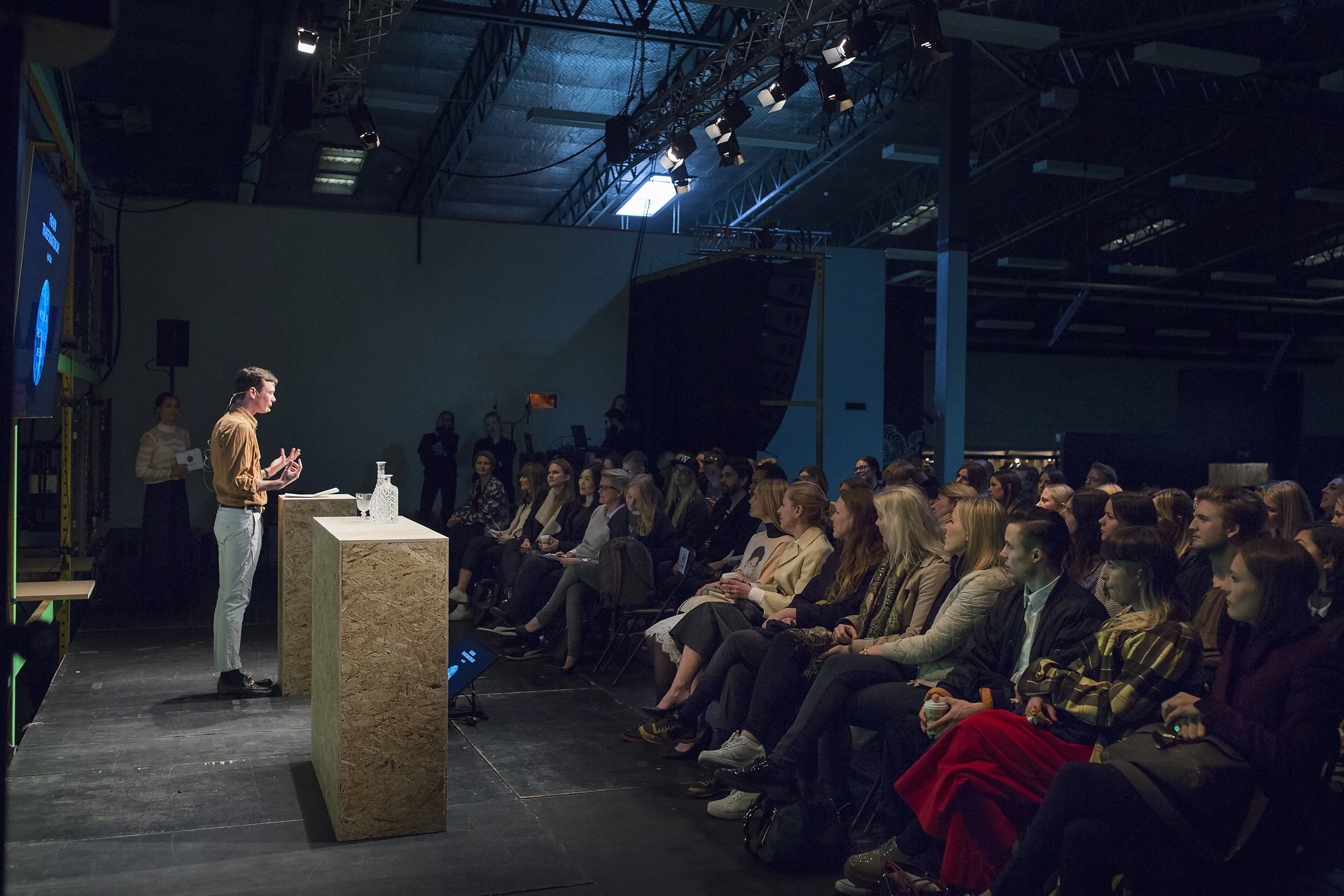
Fashion Transformation Day was not a typical brand event. Organised as H&M's flagship activation during World Recycle Week — a global initiative bringing together brands, designers, activists, and consumers around the conversation of circularity and sustainability in fashion — it was a full day of panel discussions, student showcases, a market of remade clothing, installations, games, and food, all designed around a single question: what does a truly sustainable fashion industry look like?
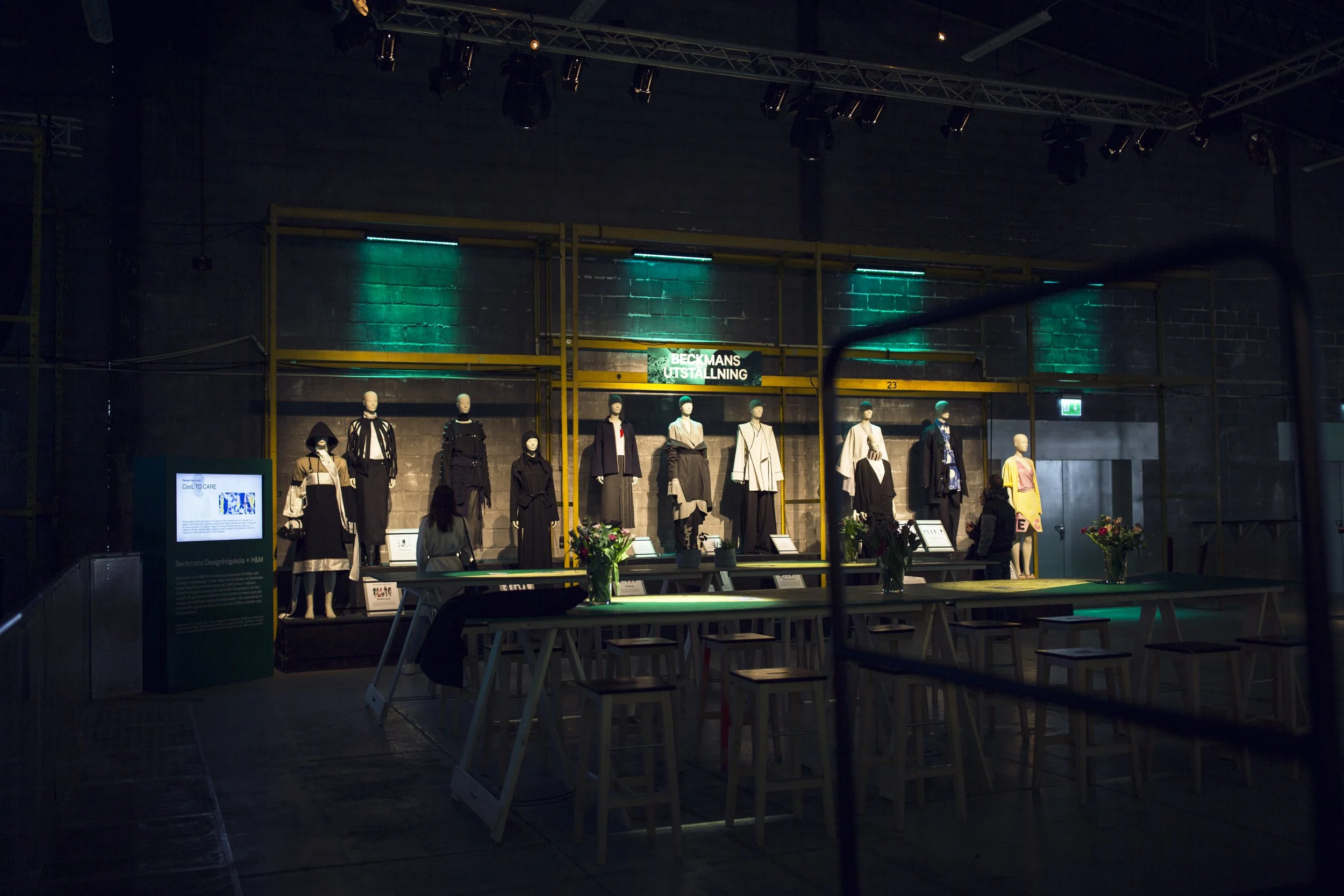
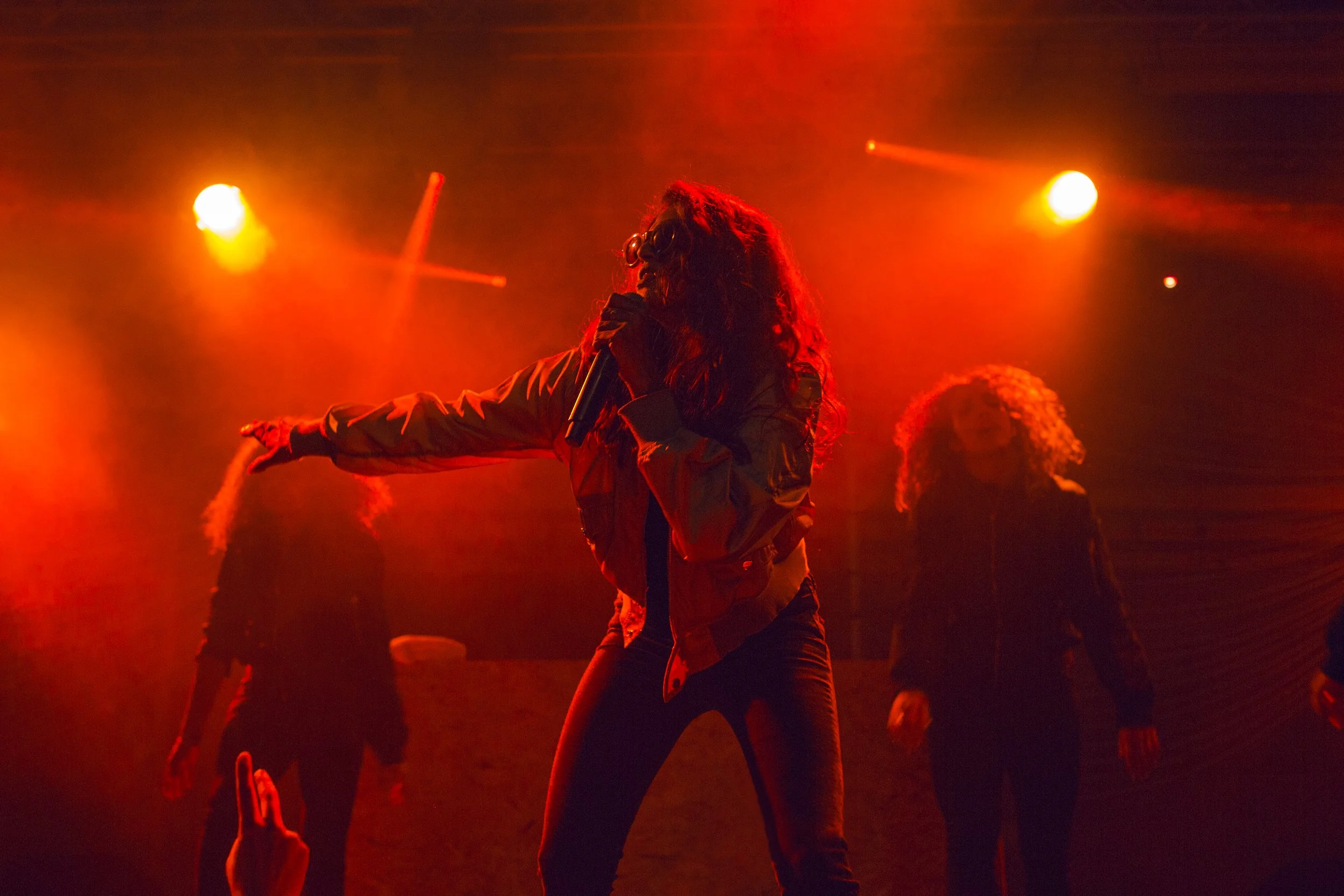
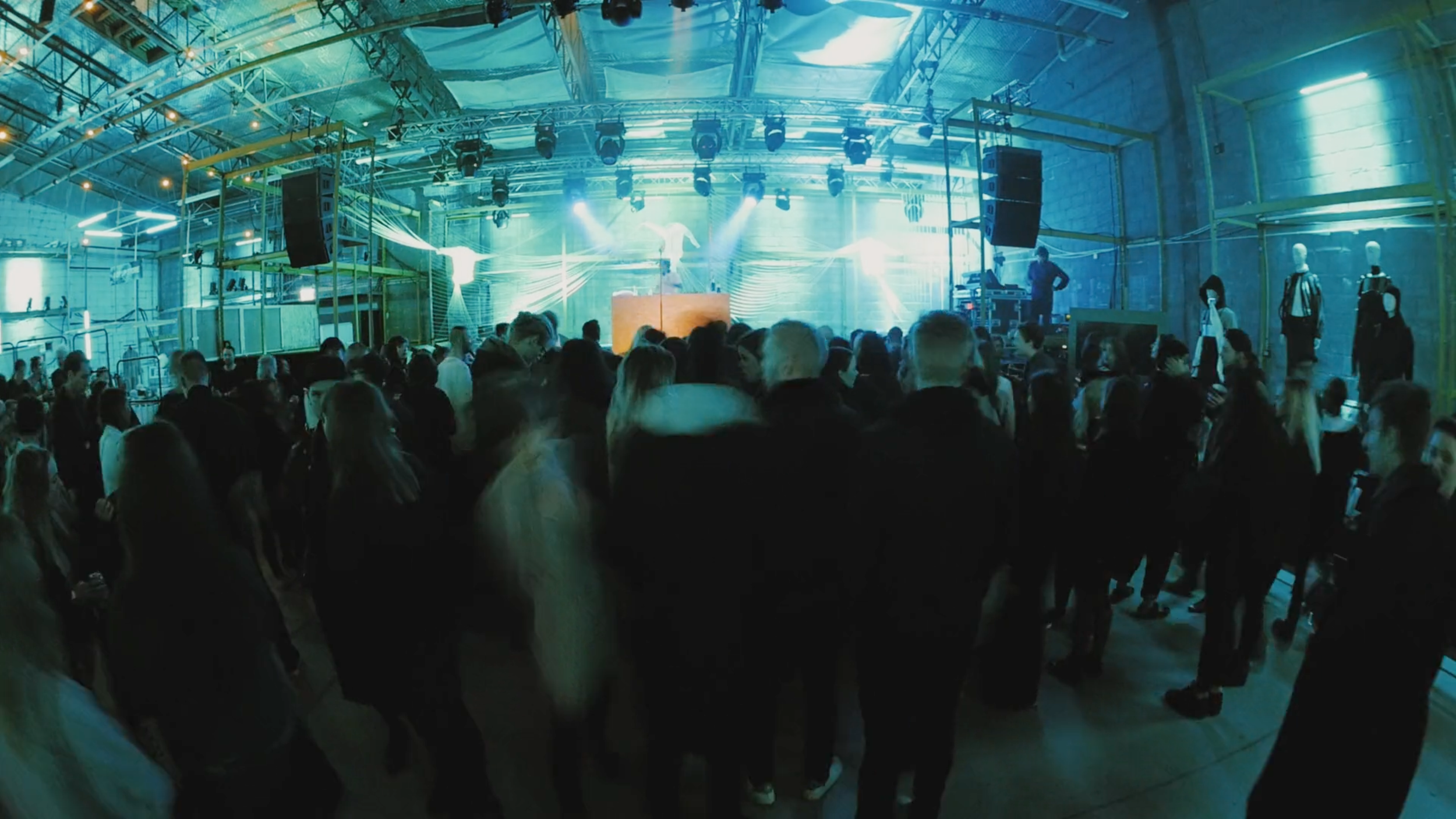
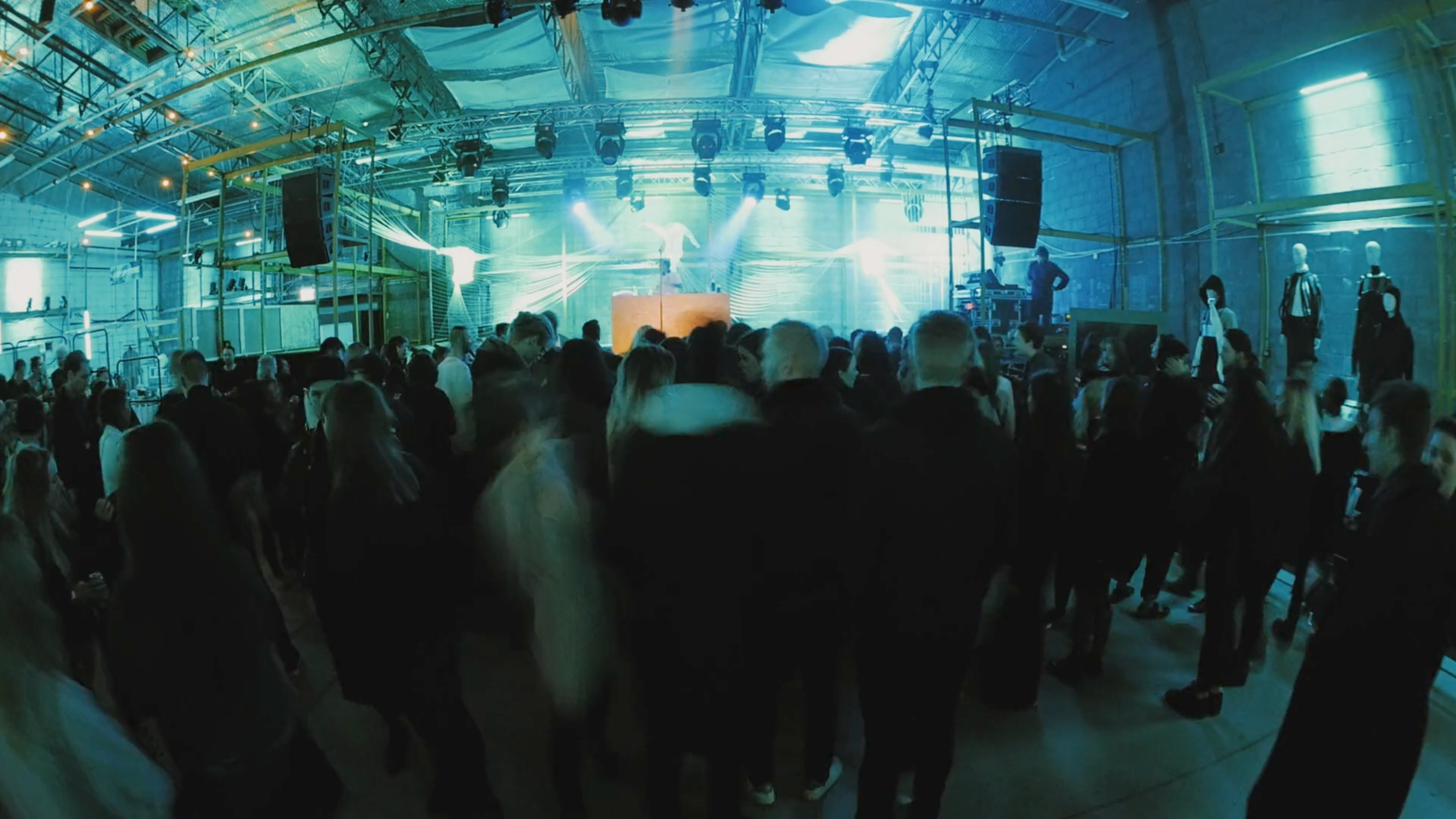
Artist M.I.A, who wrote and recorded a song specifically for the occasion, performed at the event in Stockholm. Beckmans College of Design presented student collections made entirely from sustainable and recycled materials. The audience ranged from industry insiders to curious members of the public. The stakes, for a brand like H&M making public sustainability claims, were high — and the scrutiny was real.
My role spanned both design and production: creating and implementing the full visual identity for the event across every touchpoint, while managing the project end to end. Every decision, creative or logistical, had to hold up to genuine accountability.
This project was carried out during my time at A Loud Minority, the event's agency partner.
Agency
A Loud Minority
My role
Graphic design
Art direction
Project management
The BriefH&M's brand guidelines and the visual language of World Recycle Week formed the foundation. My task was to take that existing direction and elevate it into a cohesive event identity — one that felt worthy of the occasion and worked across a complex range of physical and digital touchpoints, from large-format stage decor to printed tickets and menus.
The added layer that made this brief genuinely demanding was the material constraint. For a global brand publicly committed to sustainability, every printed piece, every piece of signage, every physical asset had to be produced responsibly. This wasn't a creative guideline — it was an accountability requirement. H&M's sustainability claims were under public scrutiny, and the event itself was a statement of intent. The design and production had to be as circular as the conversation happening inside it.
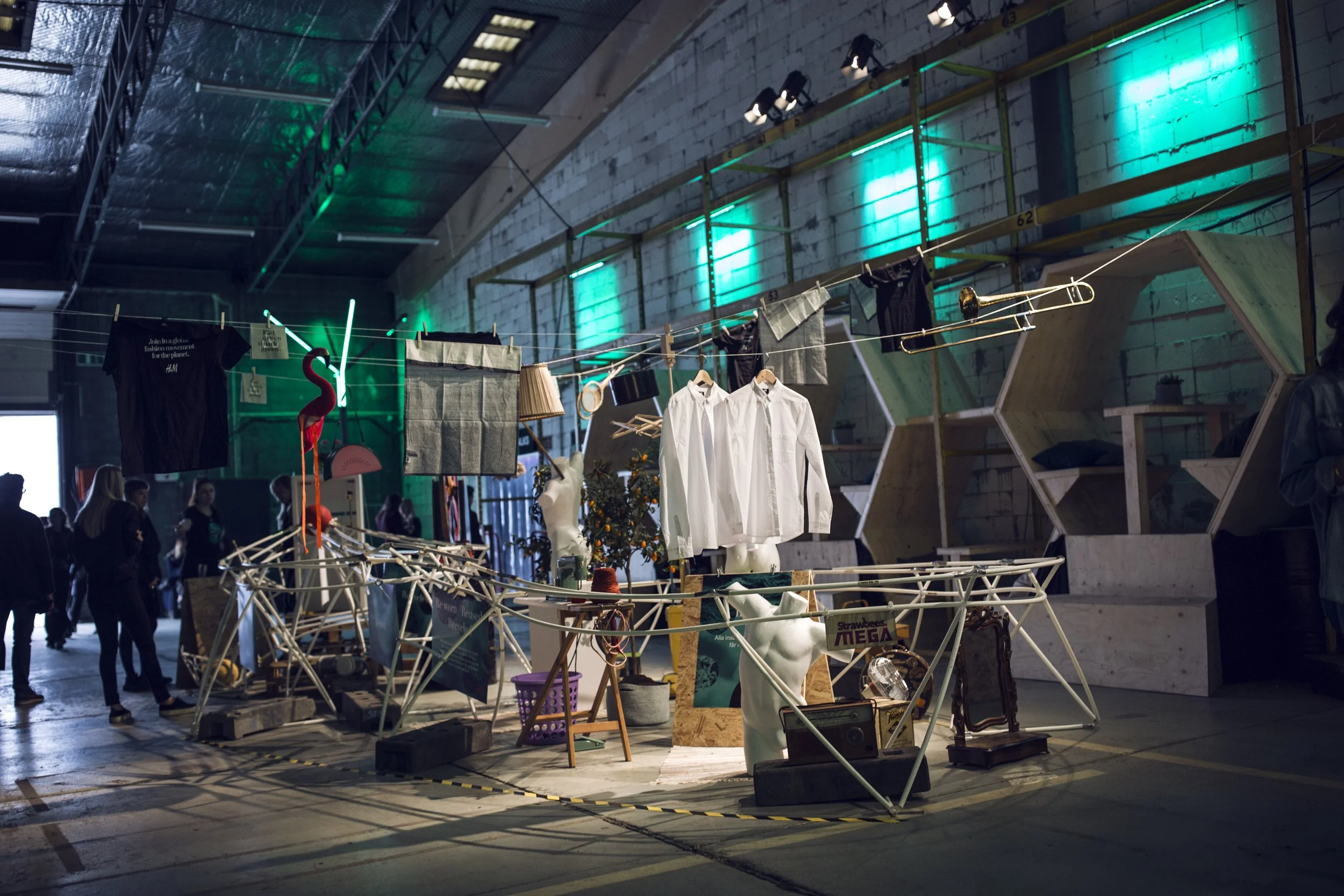
Designing with ConstraintsProduction decisions were guided by a clear set of principles: recycled paper stock at the minimum viable weight and thickness, soy-based inks, and reclaimed or reused materials wherever possible. New production was kept to the absolute minimum. If something could be reused, it was.
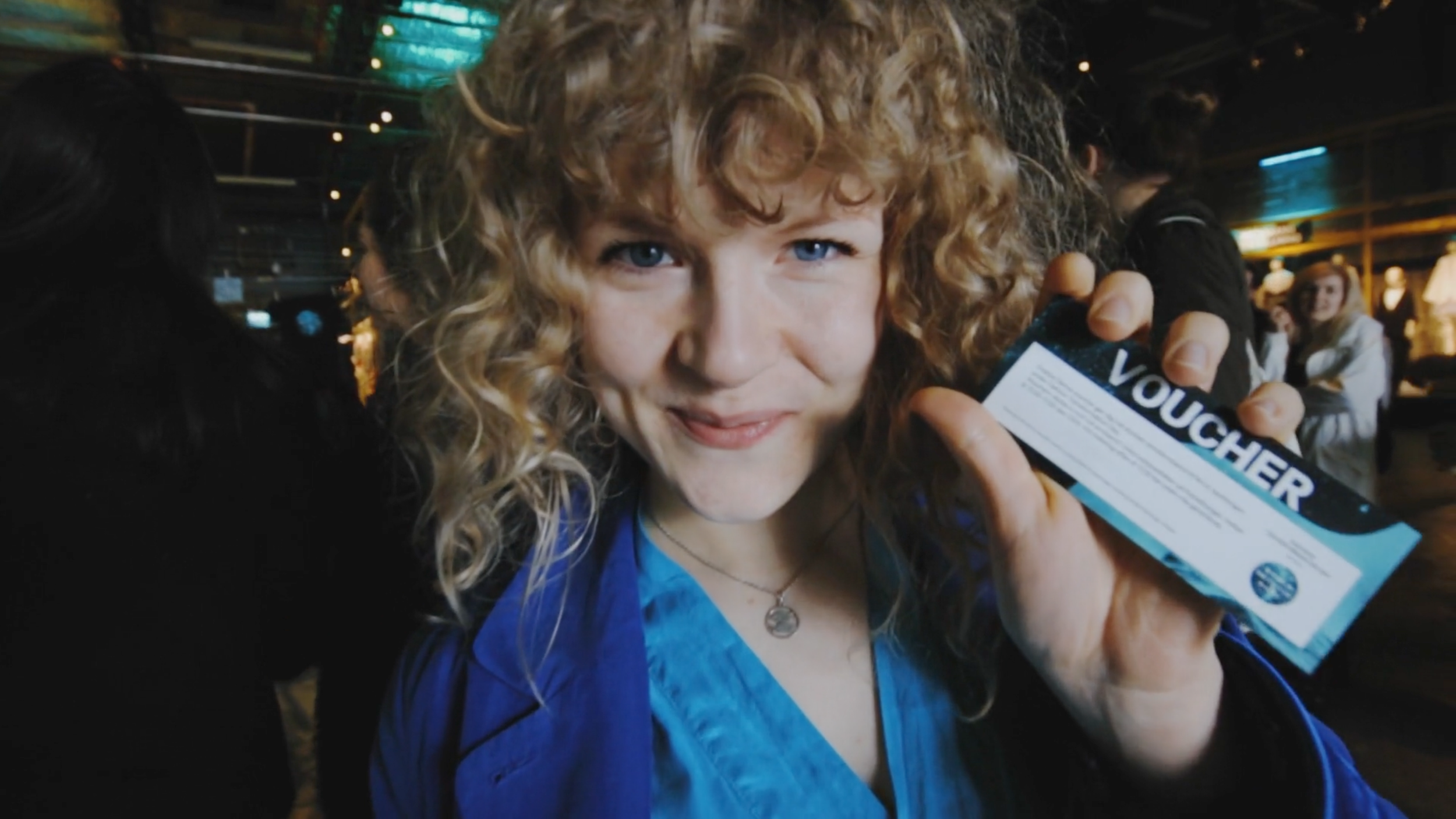
Every printed piece — signage, programs, menus, tickets, vouchers, printed itineraries — was designed to serve a clear function and nothing more. In a context where material excess would have directly contradicted the event's message, restraint was not just an aesthetic choice. It was the only credible option.
Working closely with vendors and print partners to source the right materials within budget and timeline was as much a part of the job as the design itself. For large-scale events, the gap between what a brand says and what it actually does in production is where credibility is won or lost.
Nothing was produced. Nothing was wasted. The solution was already there, we just needed to dig through existing inventory and stay true to our own concept.
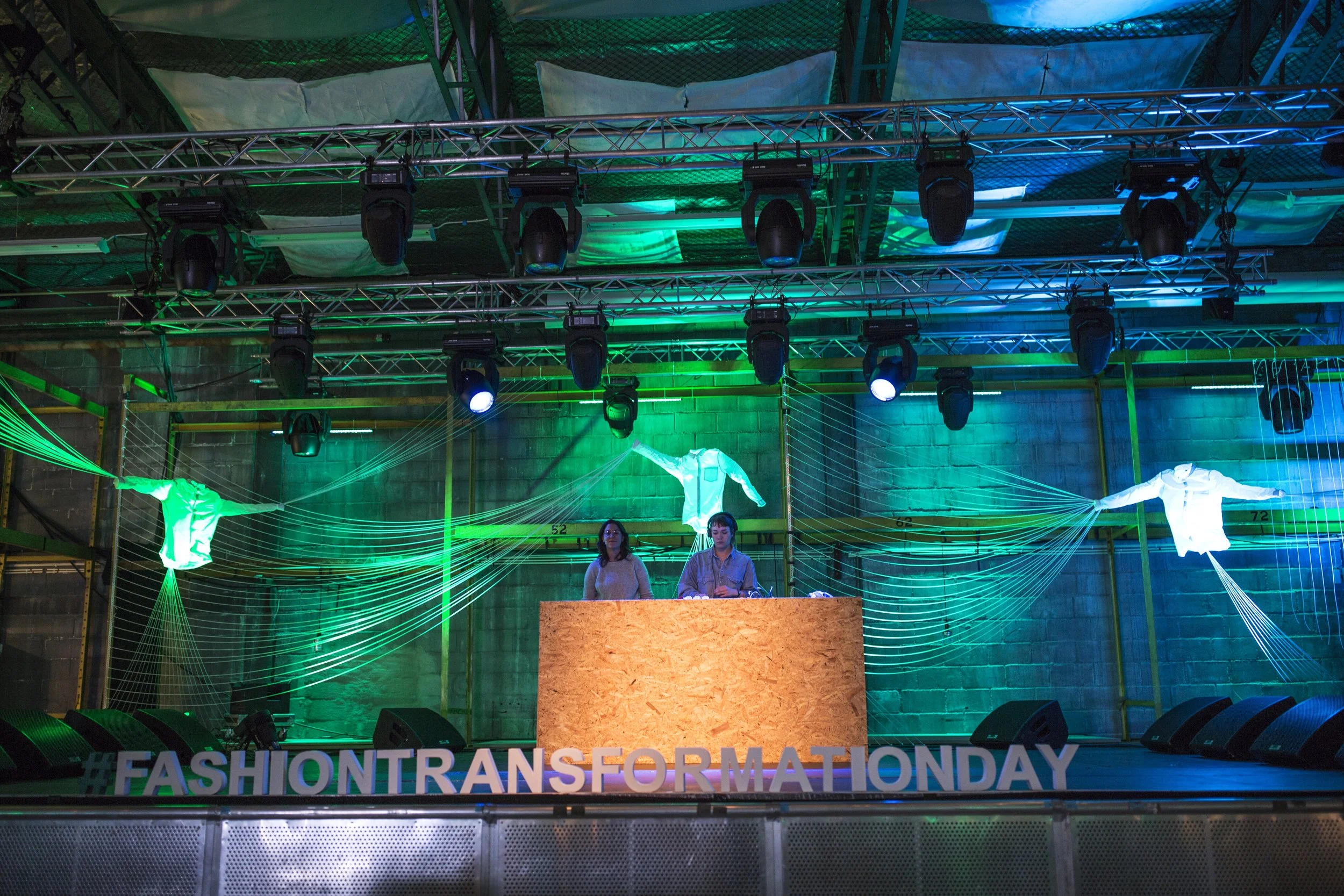
The most memorable design challenge of the project was the stage.
A large digital screen — the obvious solution for a high-visibility backdrop — was ruled out on two counts: budget and material principles. Producing a new large-format physical installation from scratch faced the same problem. Neither option was available.
What we did have was access to H&M's existing product inventory. Working with what was already there rather than creating something new was entirely in the spirit of the brief — so that became the concept.
White H&M shirts from an existing collection were gathered and hung across the back of the stage on strings, each positioned to suggest a different pose, as though worn by invisible figures. The effect, especially under stage lighting, was striking — a wall of movement and texture that felt considered and intentional, not like a workaround.
It was the most purely circular piece of design in the entire event. Nothing was produced. Nothing was wasted. The solution was already there, we just needed to dig through existing inventory and stay true to our own concept.
When Constraints Become the ConceptTouchpointsThe event identity was applied across the full range of physical and digital assets:
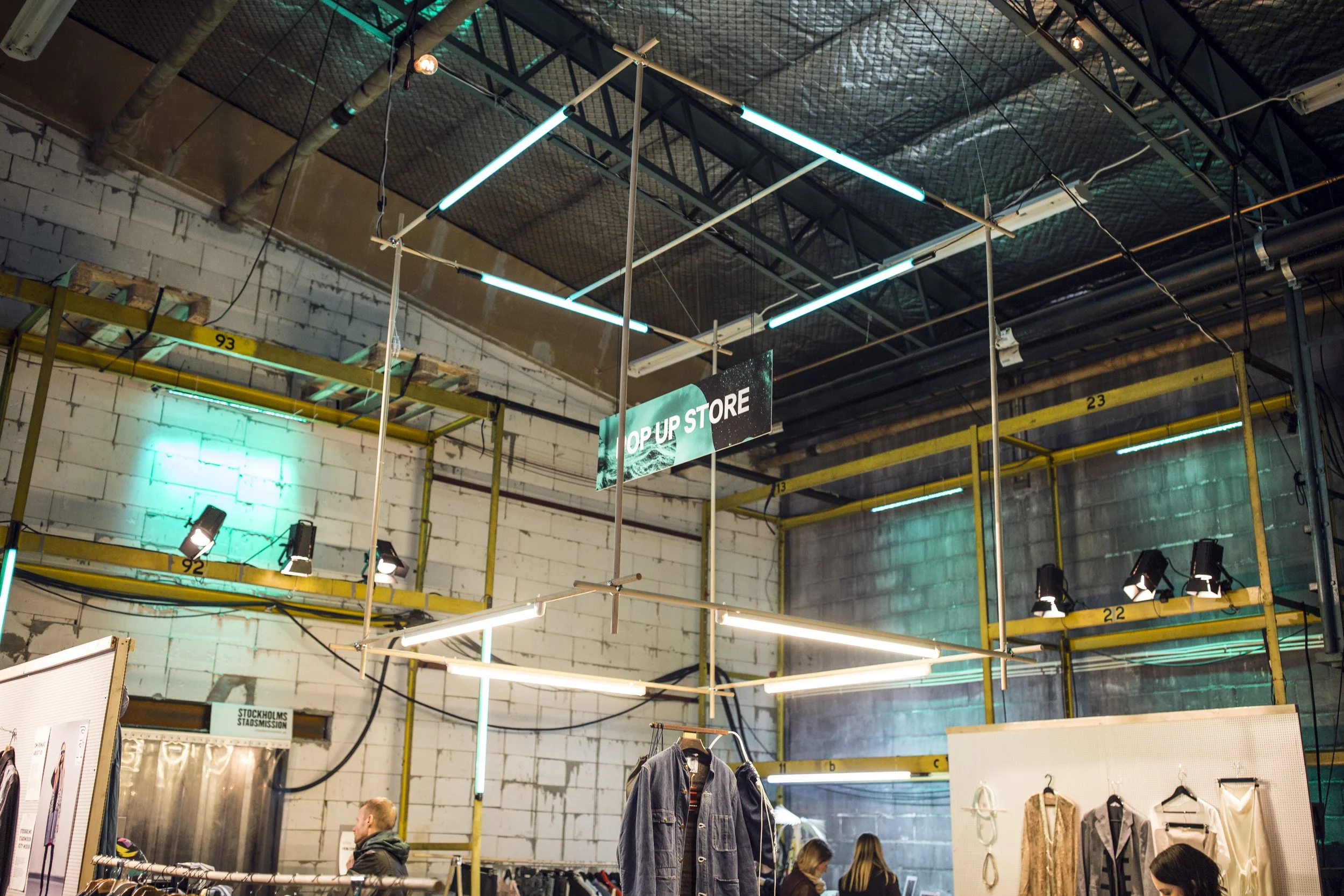
Stage decor and environmental signage
Printed programs, menus, tickets, and vouchers
Itineraries and wayfinding
Digital communications and social media assets
All visual work extended H&M's existing brand language and the World Recycle Week identity, adapted and applied with consistency across formats ranging from handheld print to large-format environmental design.
Fashion Transformation Day brought together students from Beckmans College of Design, sustainability advocates, fashion industry figures, and the general public for a day of conversation, showcase, and performance — including a live set from M.I.A, who wrote a song specifically for the global World Recycle Week campaign.
The event ran without issue across all touchpoints. Every physical asset was produced within the sustainability parameters set for the project, and the design held together consistently across a complex and varied range of formats.
For a project where the medium was inseparable from the message, that consistency mattered more than it would on a conventional brief. The design couldn't just look good. It had to mean what it said.
Full video documentation of the event is found here: https://vimeo.com/167109982
Outcome